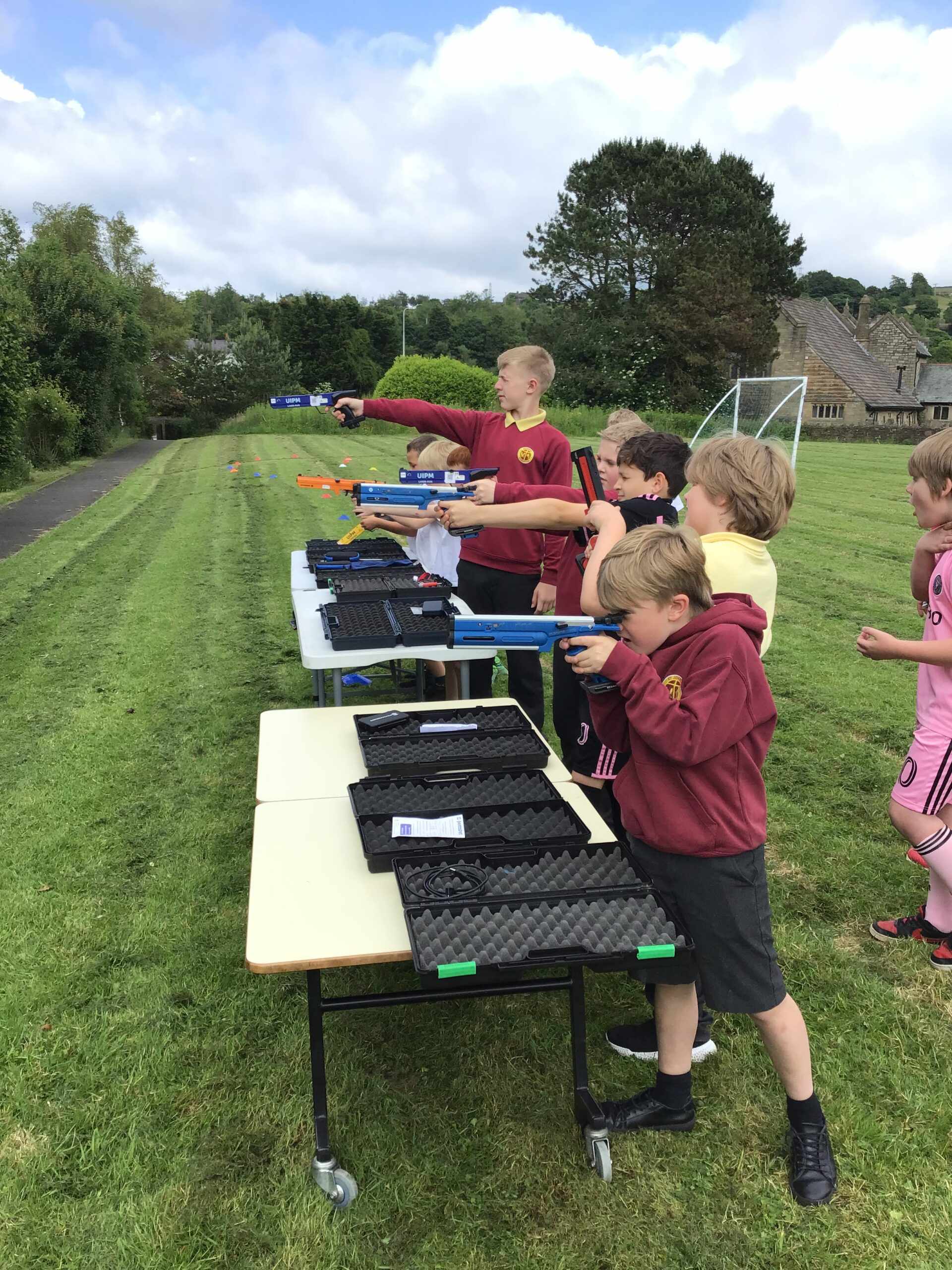
Welcome To
PE and Sport
Introduction
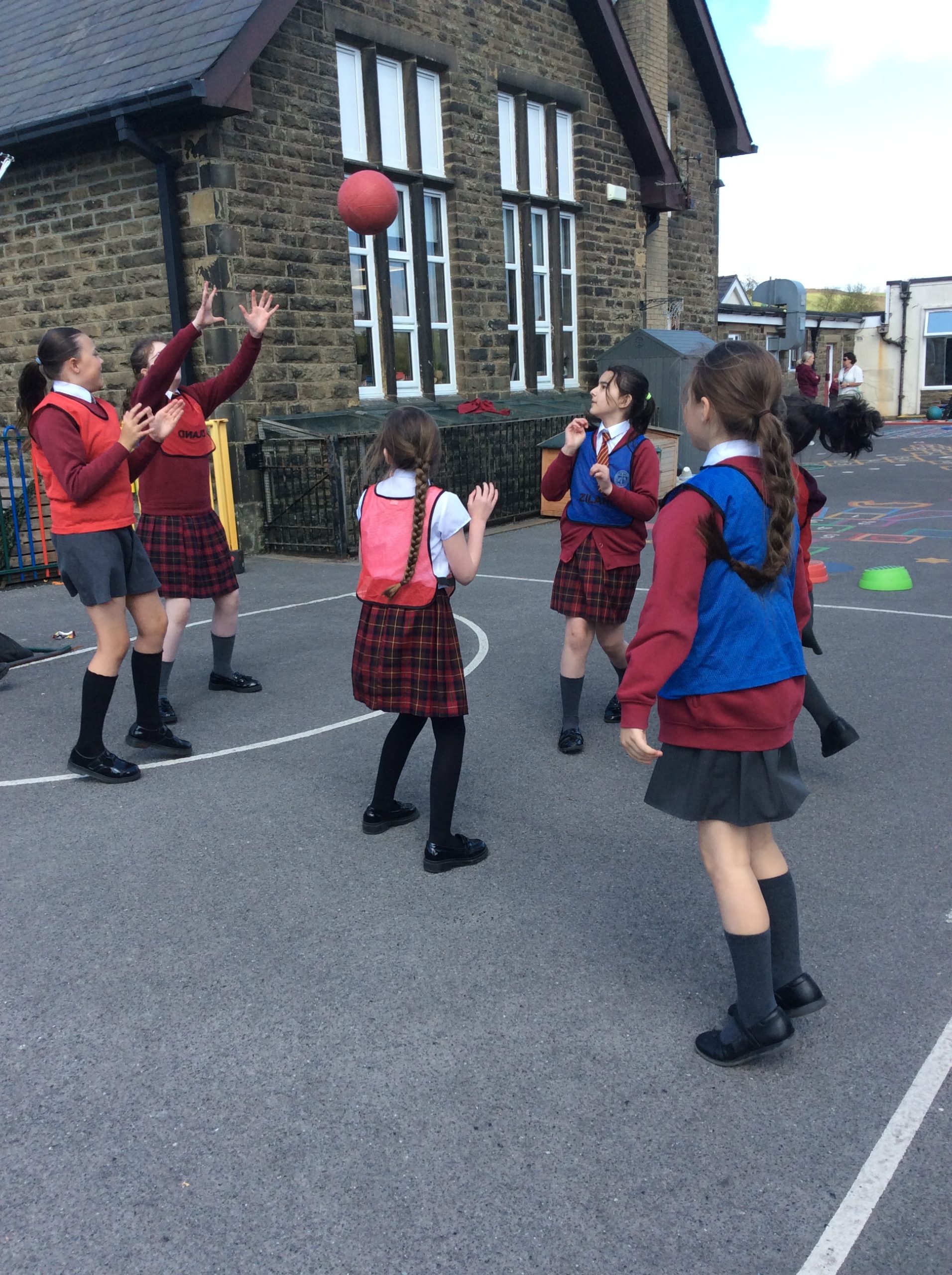
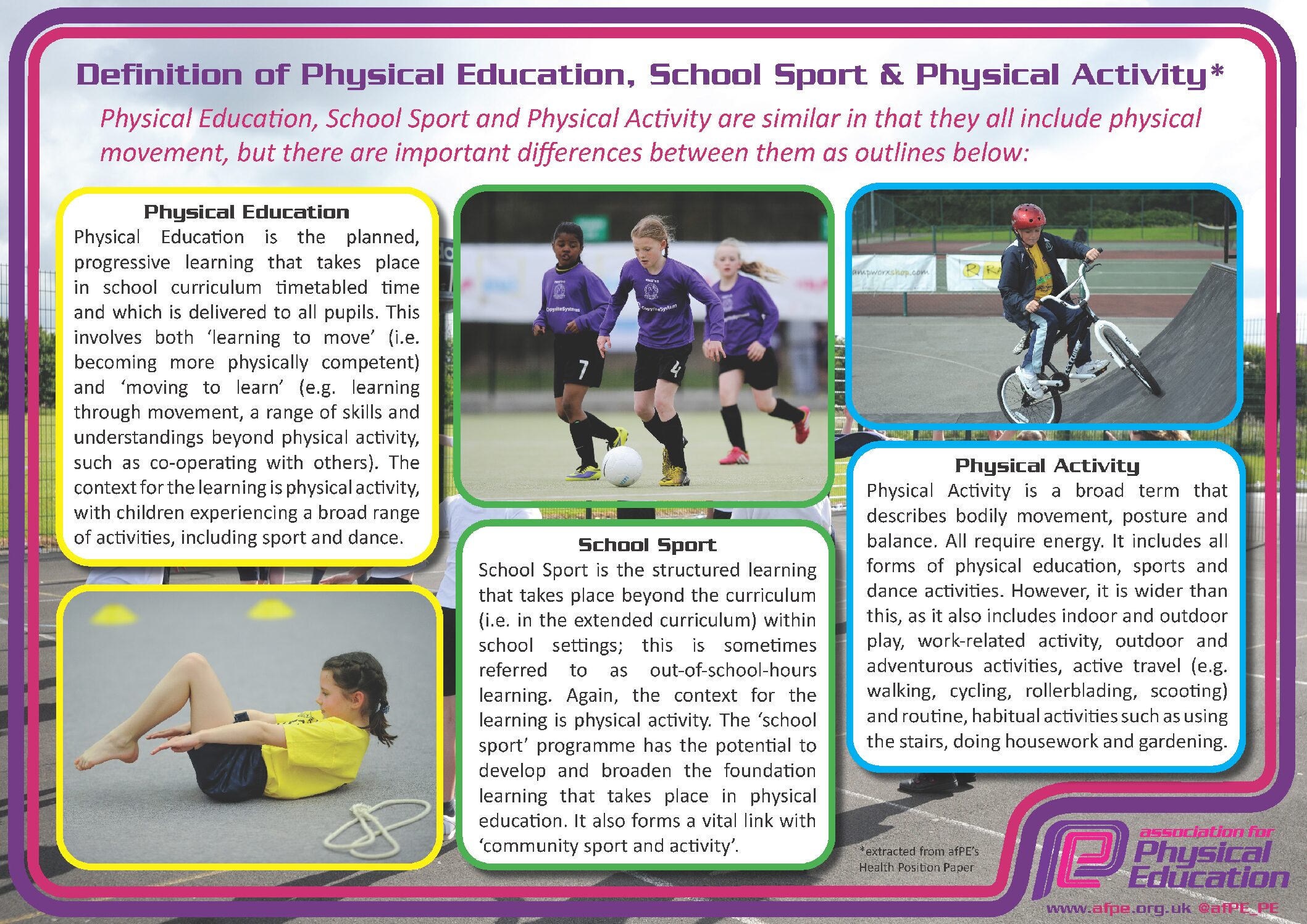
Physical Education (P.E.) helps pupils to develop physically, personally and socially. The children work as individuals, in groups and in teams, developing concepts of fairness and of personal and social responsibility. They take on different roles and responsibilities, including leadership, coaching and officiating. Through the range of experiences that P.E. offers, they learn how to be effective in competitive, creative and challenging situations.
At St. St John’s Stonefold we utilise the Lancashire PE Passport – created by PE specialists who share a passion for developing a high-quality challenging, progressive and memorable PE provision – which is an online Physical Education planning, assessment and tracking tool designed to enable teachers to deliver, monitor and assess all children’s achievements and progress in P.E. The PE Passport is child centred and allows pupils’ achievement’s in and out of school to be recorded and tracked from Reception right through to Year 6. By utilising the PE Passport, we have access to a full curriculum of engaging, interactive P.E lessons for each year group with each lesson containing clear, progressive learning objectives; differentiated activities and videos to support the delivery, understanding and progress of the children.
Within Year Group or Key Stages, topics include:
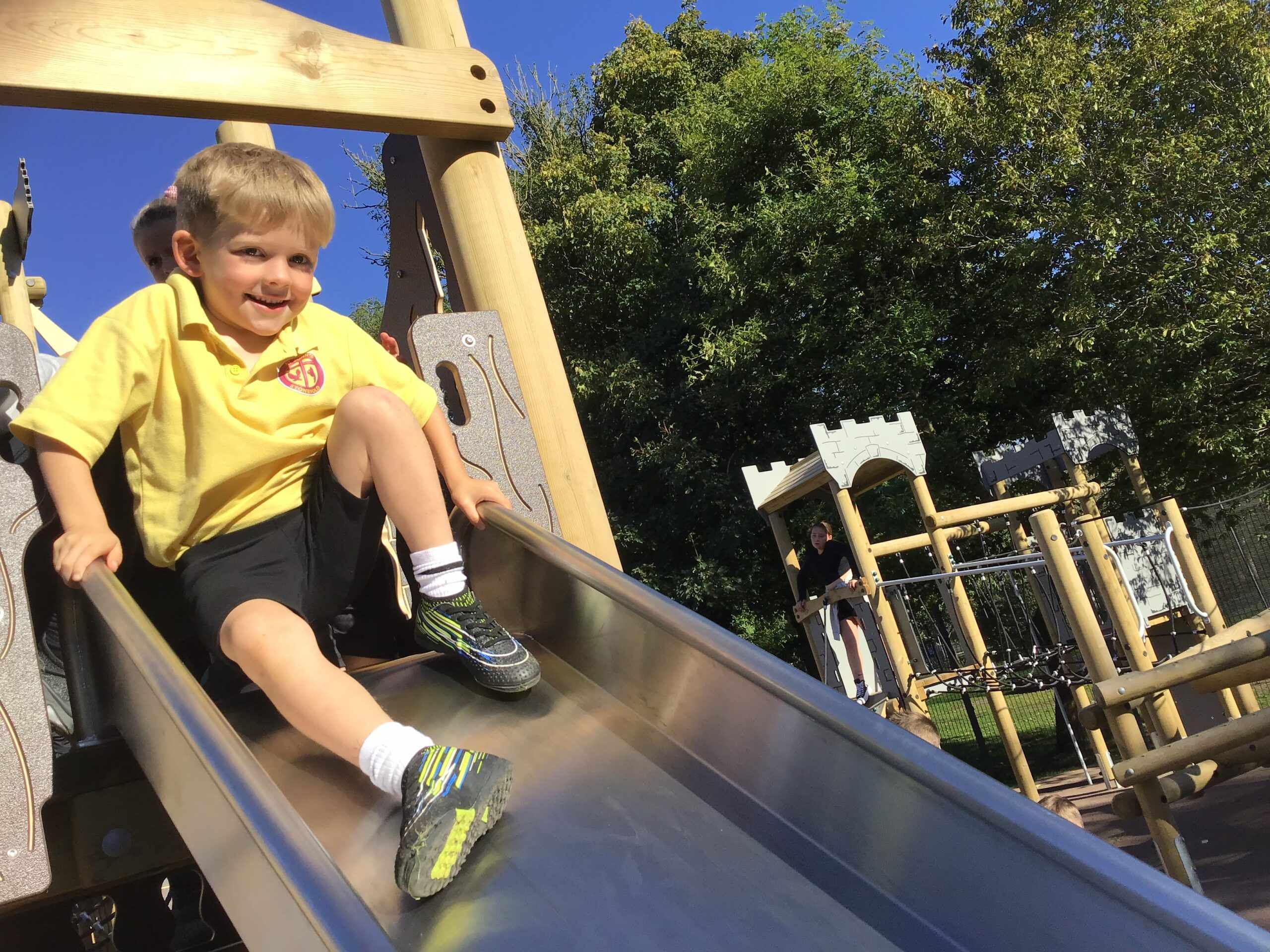
This area covers children in Early Years Foundation Stage starting to perform fundamental skills at an emerging level. These skills include travelling fast, running fast, hopping on both feet, rolling a ball underarm, underarm throw, overarm throw, bouncing a ball and catching a ball; developing to also include dodging, skipping, side galloping, striking a ball off a tee and striking with a drop feed by the end of Year 2. In Years 3 – 6 children continue to master these fundamental skills, develop sport specific skills and improve their consistency, accuracy, confidence, control and speed in using these skills.
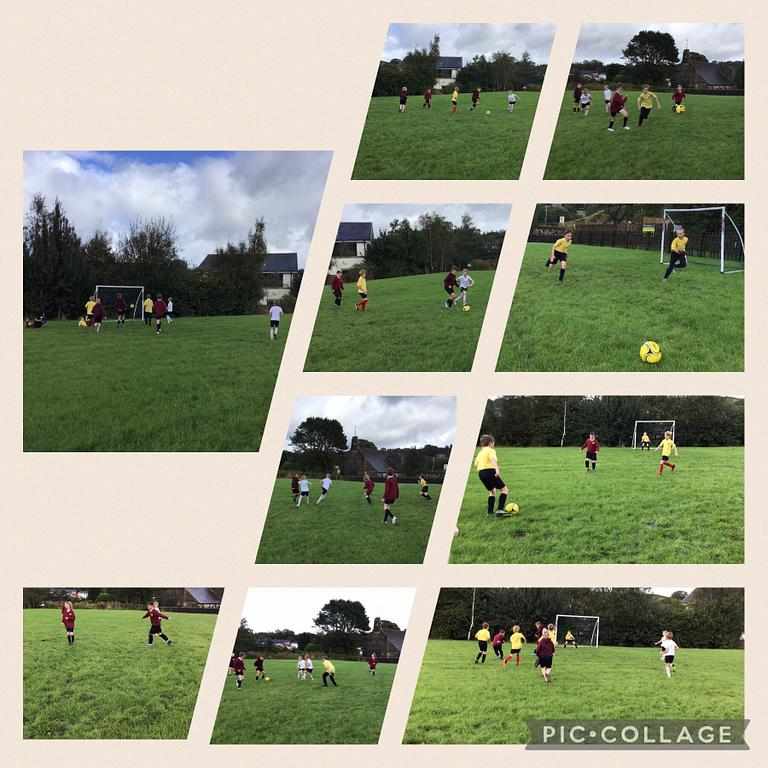
This area covers children in Early Years Foundation Stage starting to run skilfully to negotiate space, avoid obstacles and adjust speed and direction; in Year 1 implementing simple tactics to outwit an opponent; in Year 2 moving into space to pass or receive a ball and striking and throwing a ball away from fielders or opponents; in Years 3-6 developing and refining sport specific skills (e.g. chest pass, bounce pass, dribbling, catching, shooting, kicking and receiving a pass) attacking skills and defending skills.
This area covers children learning how to orientate a map, use control cards and navigate a course safely to using these skills with increased confidence, speed and accuracy whilst using a compass effectively, setting the direction of travel from a map and compass, being increasingly independent and following a course successfully.
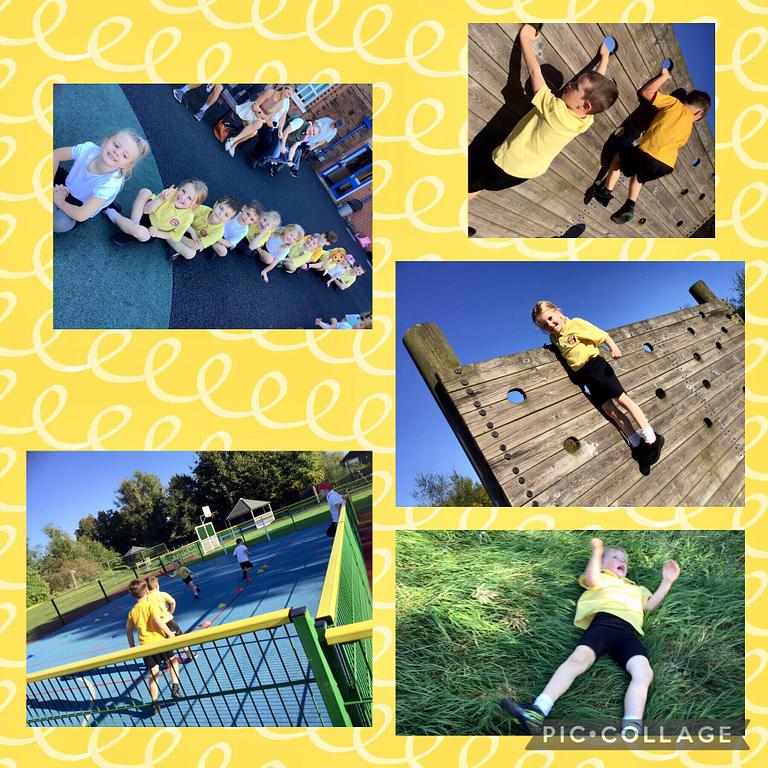
This area covers children in Early Years Foundation Stage starting to move freely and with confidence, climb and jump off equipment safely; in Year 1 to creating simple combinations of movements, travelling on feet or hands and feet to balancing (on 3 or 4 large body parts), jumping and landing, creating shapes, rolling (egg roll and pencil roll) and using apparatus; to Year 2 creating longer sequences, travelling on feet or hands and feet, to balancing, rolling (dish roll and teddy roll) and using apparatus; to Years 3-6 creating longer sequences (up to 8-10 actions) and a greater variety of travels, balances (including counter balance and counter tension), jumps and rolls.
This area covers children in Early Years Foundation Stage starting to perform the fundamental movement skills (running, throwing, rolling a ball and use of space) at an emerging level; in Year 1 developing the fundamental movement skills (plus hopping and jumping); to Year 2 being able to master some of the basic skills; to Years 3-6 to developing specific athletic skills and performing them with speed, accuracy, control and confidence.
This area covers children in Early Years Foundation Stage starting to create movement, gestures and expression in response to music; in Year 1 to develop, repeat and link movements using actions like turn, jump, gesture and stillness; in Year 2 to remember and repeat phrases to create sequences of 3 or 4 actions and to vary speed, energy and strength of movements; in Years 3 – 6 to develop longer sequences with control and precision, either individually or with a partner, and creativity compose simple dances with an awareness of their audience.
This area covers children in Year 1 and Year 2 striking a ball off a tee and starting to use tactics; to Years 3-6 to developing specific skills that are transferable to different sporting activities. These skills include the development of control, speed, accuracy and confidence in bowling underarm, striking a ball off a tee and a thrown ball, catching a ball and overarm throwing when fielding.
This area covers children in Year 1 and Year 2 looking for space to throw, hit and run and starting to use tactics; to Years 3-6 to developing specific skills that are transferable to different sporting activities. These skills include the development of control, speed, accuracy and confidence in positioning, over and underarm throwing, holding a racket and forehand and backhand strokes.
This area covers children learning how to swim unaided in shallow water from a variety of starting points. The children will be taught to swim a minimum of 25 metres using a range of different strokes. They will understand about water safety, hazards and risks and perform self-rescue
Find out about
PE and Sports Premium
The Primary PE and Sport Premium is a government-backed funding initiative aimed at helping primary schools across England improve their physical education and sport provisions.
P.E. and school sport play a very important part in the life of St John’s Stonefold CE Primary School. We recognise the contribution of PE to the health and well-being of the children. We believe that an innovative, varied PE curriculum and extra-curricular opportunities have a positive influence on the concentration, attitude and academic achievement of all our children. Our approach to sports directly supports our key curriculum drivers of: aspiration and endurance.
We use the funding we receive to focus on the five key indicators as outlined by the Government and provide additional opportunities for our children to enable them to achieve well in these focus areas:
- Key indicator 1: The engagement of all pupils in regular physical activity
- Key indicator 2: The profile of PE and sport being raised across the school as a tool for whole school improvement
- Key indicator 3: Increased confidence, knowledge and skills of all staff in teaching PE and sport
- Key indicator 4: Broader experience of a range of sports and activities offered to all pupils
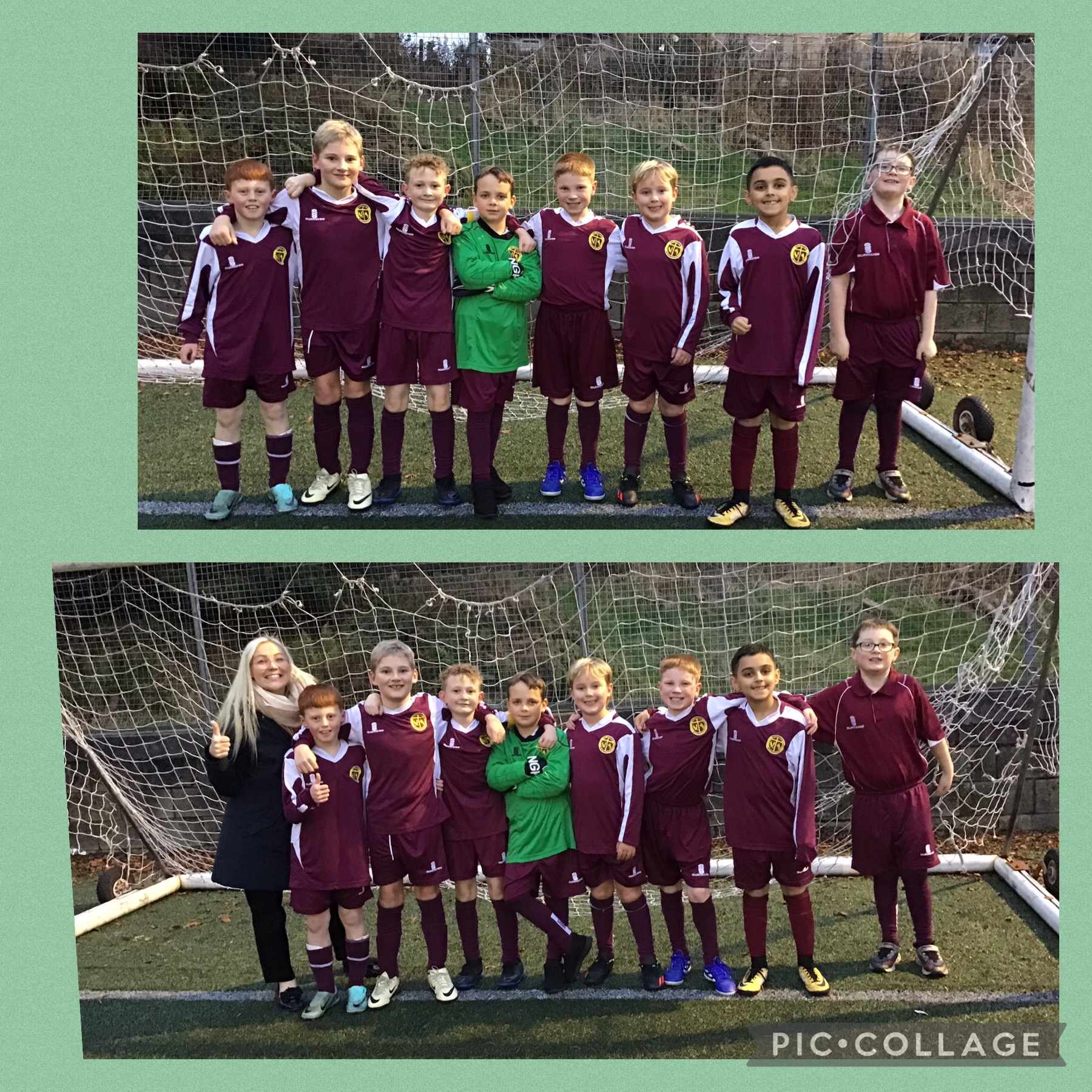
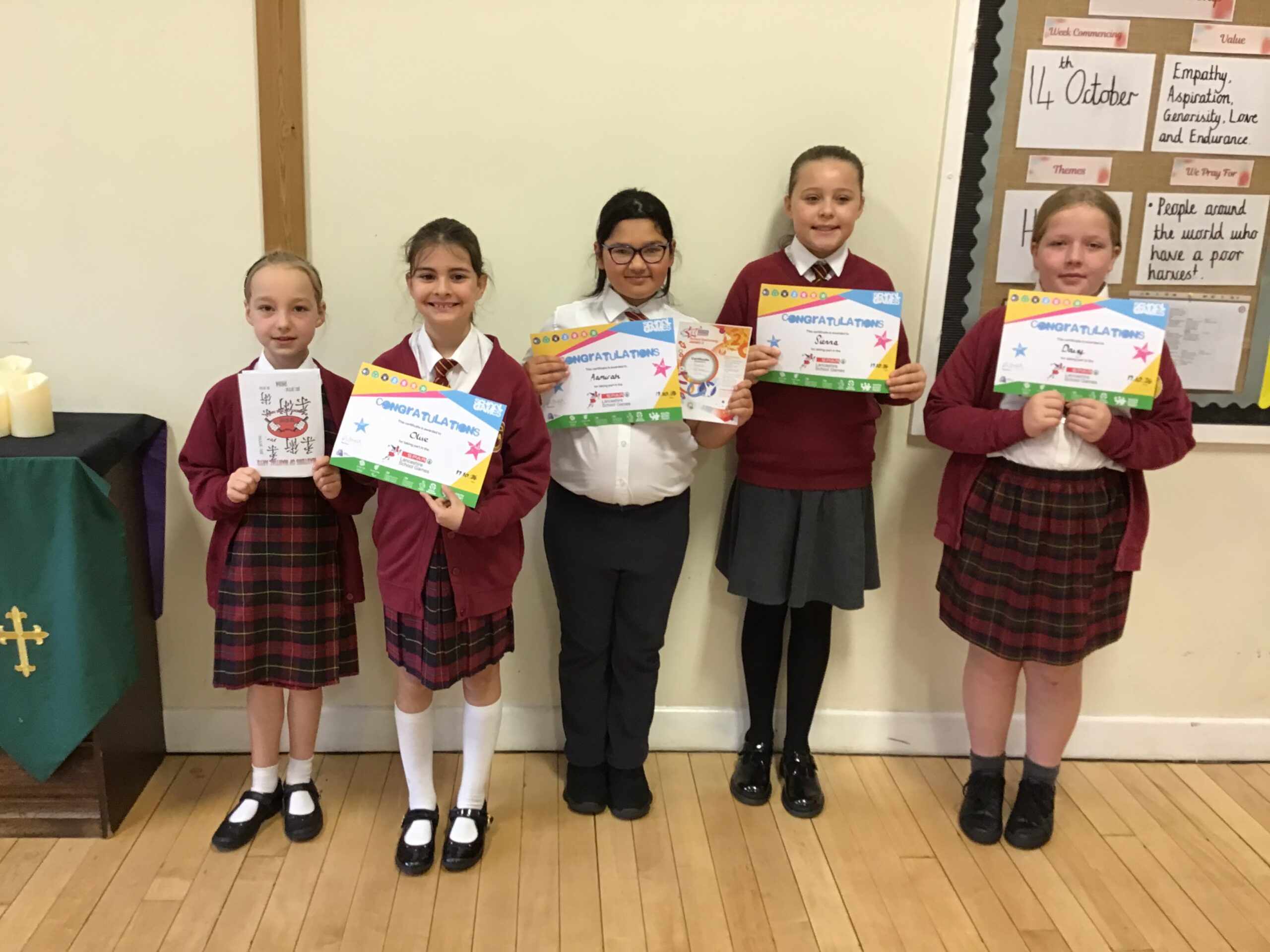
- Key indicator 5: Increased participation in competitive sport
We complete a detailed Sports Premium Analysis each year, capturing our key achievements to date and areas for future development. We link this directly to the five key indicators as detailed above.
Here are
Books we have in school linked to the subject of Physical Education.
Which one will you choose?




View Our
Intention and Aims
- It is the intention of the school to provide a broad and balanced PE curriculum to aid and increase children’s self-confidence in relation to their ability to manage themselves and their bodies within a variety of movement situations.
- The aim is to cater for the different strengths, needs and preferences of each child by using differentiated activities (where appropriate) consisting of individual paired and group activities. Through the variety of opportunities that PE offers children can develop a sense of personal achievement, fair play, teamwork and an understanding of the ways in which sport can transcend social and cultural boundaries. A range of activities will therefore be provided with a broad base of movement knowledge, skills and understanding, which children can refine and expand throughout their primary school years.
- Children of all abilities will be encouraged to join clubs and organisations with the aim of extending their interest and involvement in sport. We will also encourage children to develop their creative and expressive abilities, through improvisation and problem-solving.
- Children who are taught to appreciate the importance of a healthy and fit body begin to understand those factors which affect health and fitness. Our aim to raise children’s awareness in this regard is therefore closely aligned with the school’s policy on Personal, Social, Cultural and Health Education (PSCHE).
- Through the Government Funding for Sport the School will, where possible, provide opportunities for both pupils and teachers to work with and alongside PE specialists and sports coaches. The aim is to enhance specialist and coaching facilities and to develop the skills and expertise of staff to provide better coaching, mentoring and advice to pupils across the whole PE and sport spectrum. Spending will be reviewed and published on the school website.