From Head to Toe
Learning to Learn
Dance Artist Sarah has been working with Year 6 exploring creative writing and word class whilst also investigating the impact more physical approaches to learning have on the class. We have tested what is possible in the classroom (in it’s existing setup and with the furniture rearranged) as well as taking the learning into the hall. The latter of these approaches really unlocked possibilities for some pupils, allowing them to be more animated, expressive and contribute more to class discussion and development of their own learning. In Year 2/3 we have been exploring times tables and multiplication through a range of
classroom based tasks that support pupils to move around more and specifically take the lead in peer-peer and group based tasks, fostering independence and enthusiasm for learning.
Our Evaluation lead, Ruth, has spent this first term listening, questioning and supporting the development of the project, to ensure that the evaluation undertaken is meaningful, realistic, integrated, and supports learning and impact for teachers, pupils, senior leadership teams, dance artists and the wider school community. Ruth will meet teachers at the Team Days across the 2 years and will occasionally come and visit in school.
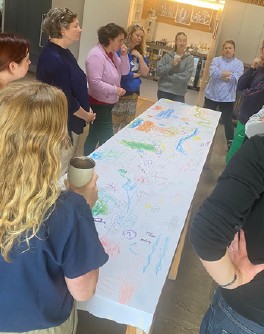
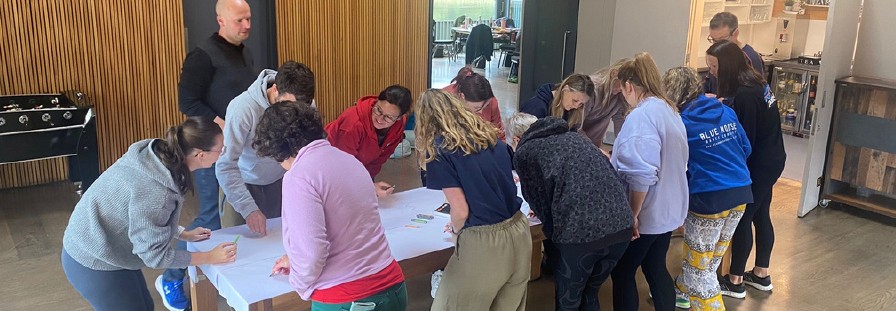
During this Autumn Term our initial evaluation focus has been on teachers and building reflective skills to capture their early thoughts and experiences of the project. We’re particularly interested in creative methods of reflection and evaluation, moving beyond traditional questionnaires to approaches that can capture embodied experiences and the richness of creative practice. We’re working closely with our Evaluation Consultant from Paul Hamlyn Foundation (PHF), who provides invaluable support throughout the project. PHF is keen that evaluation is not a tick-box exercise but a formative process that informs and develops our emerging inquiry. Our working research question is:
How might greater awareness of our creative-physical selves inform, support and develop our experiences of
teaching and learning in primary schools?
We will be sharing sub-questions for Teachers, Artists, SLT and Blue Moose, which offer a deeper, individual
exploration.

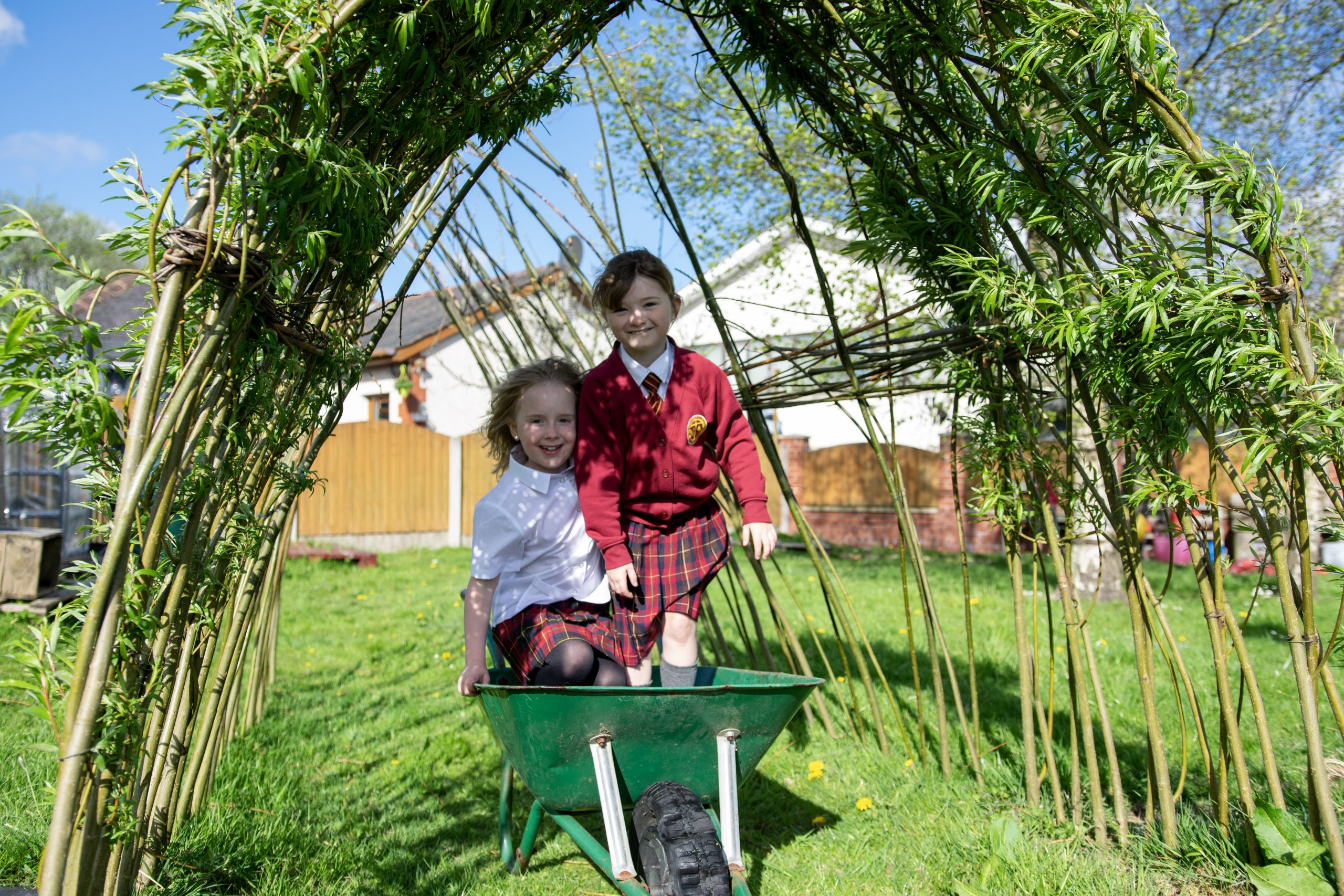
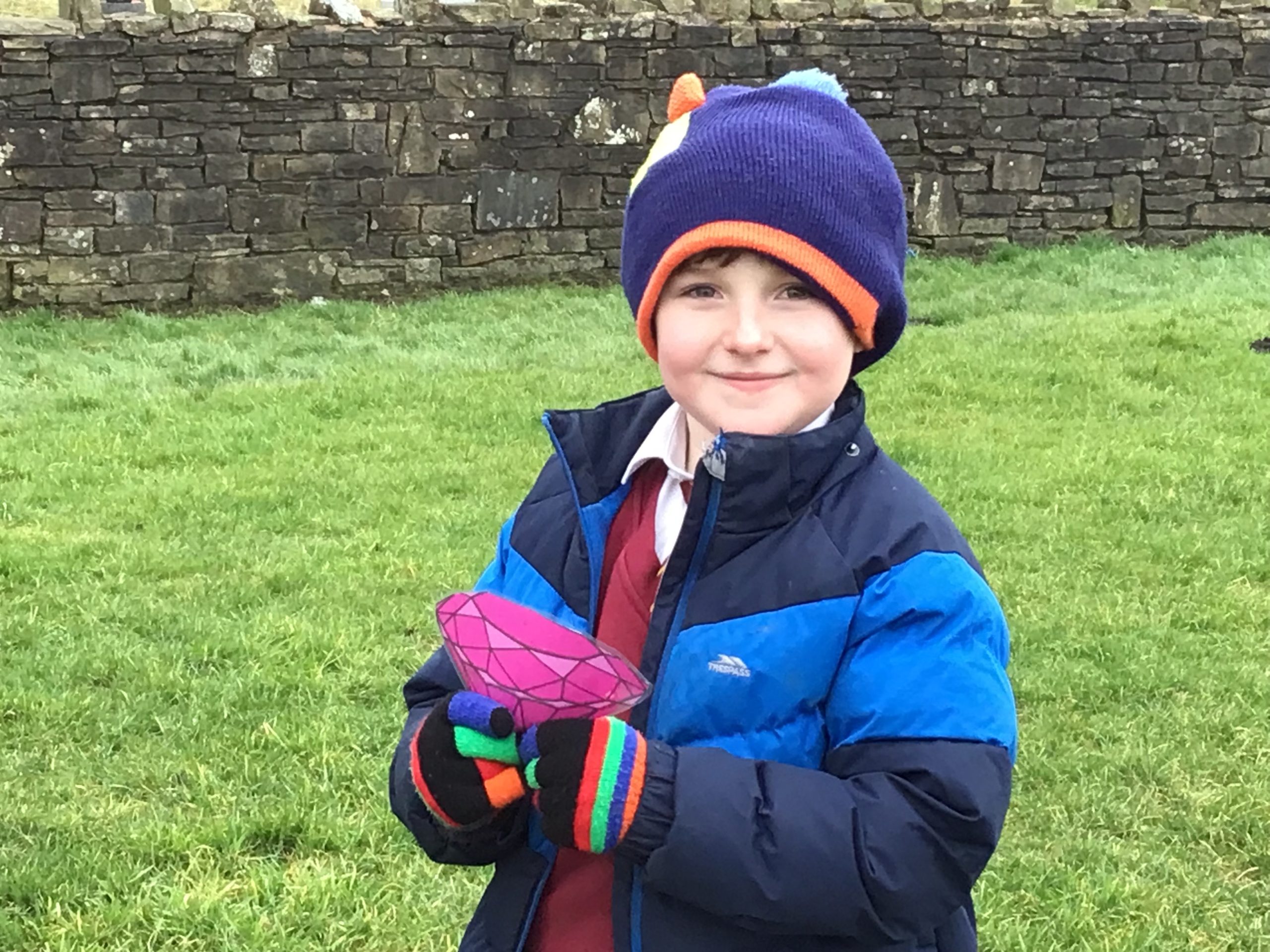
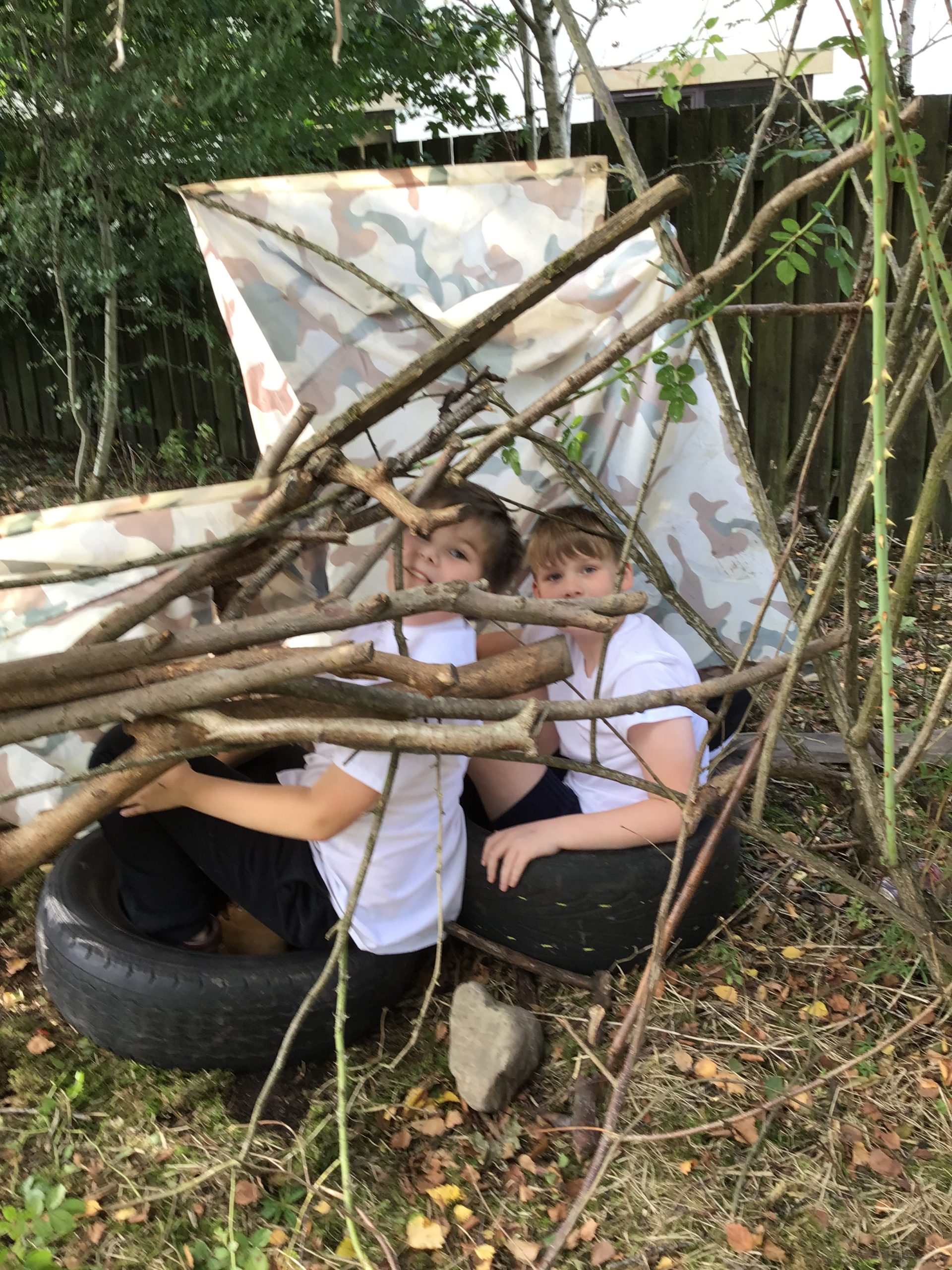
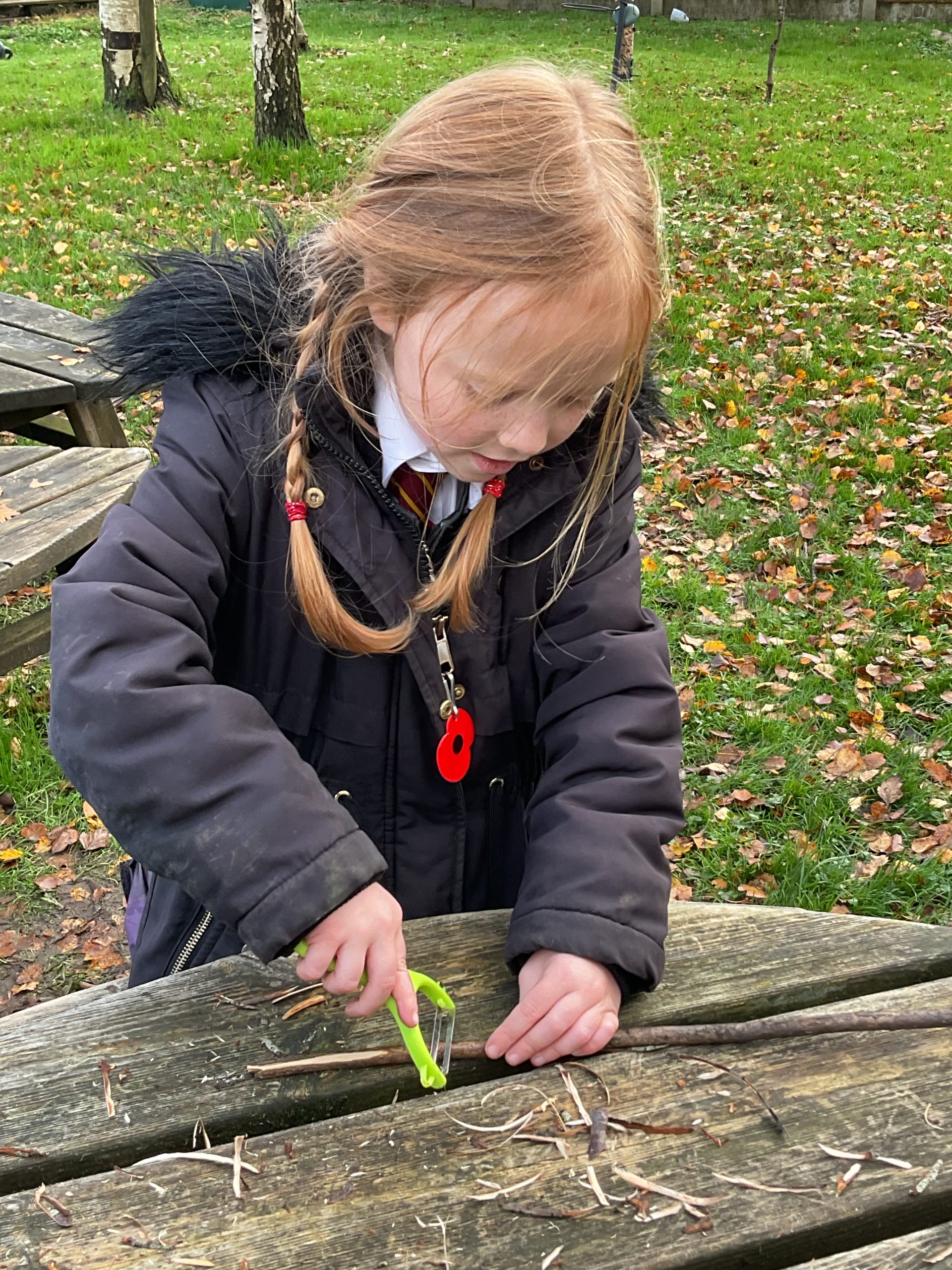
Forest School
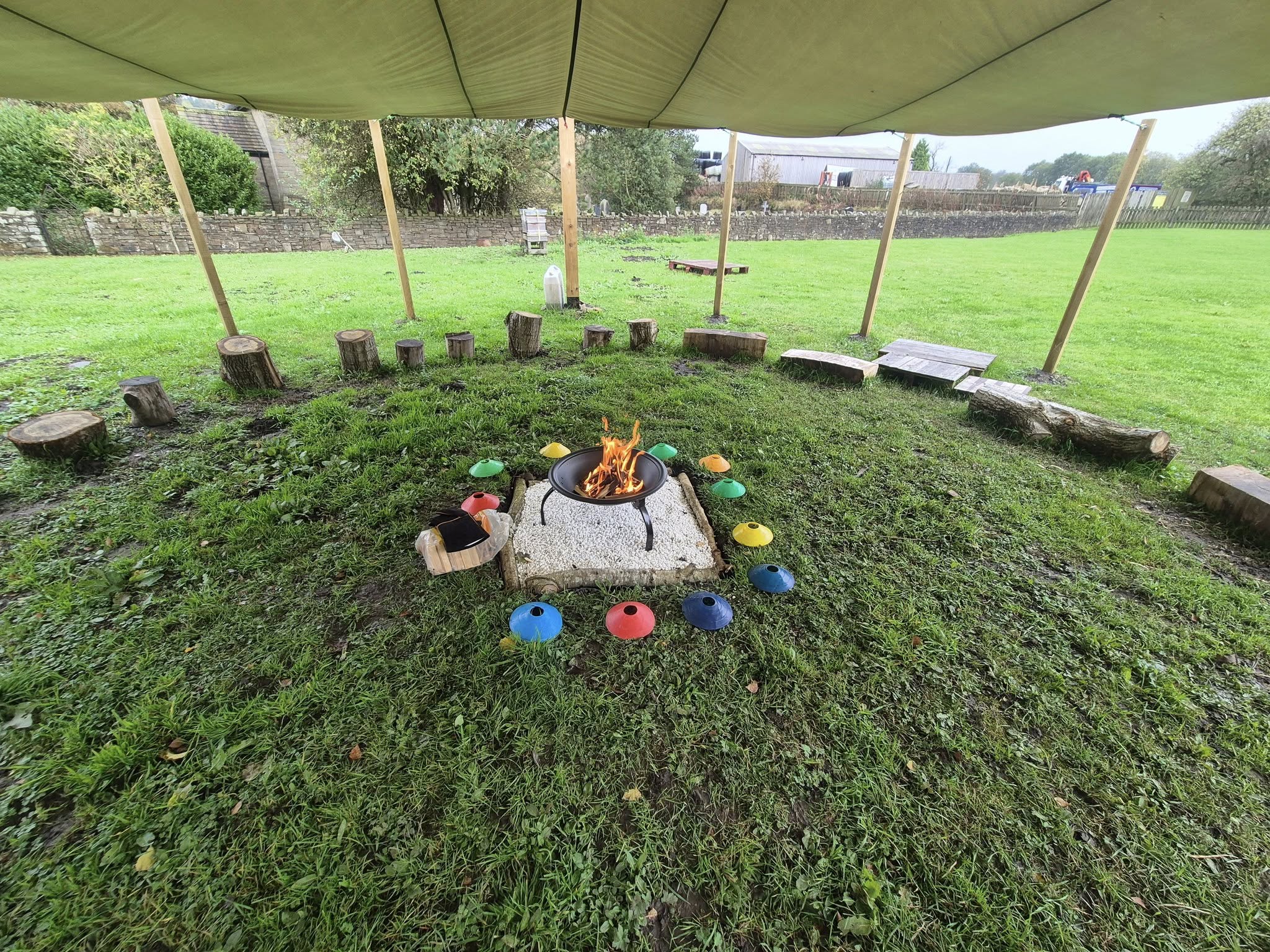
Learning and Thriving Outdoors
“An inspirational process that offers children regular opportunities to achieve and develop confidence through hands-on learning in a woodland environment” O’Brien & Murray (2008).
Forest School originated in Scandinavia and was widely adopted in Denmark in 1980. It was brought to the UK in 1993, with the idea of encouraging and inspiring children through positive outdoor experiences.
The development of Forest School began in the mid 1990’s and was brought to England by staff of Bridgwater College, following an exchange visit to Denmark in 1993. In 1995 a group of students, nursery nurses and lecturers from the College began to apply the same principles to childcare provision following the visit. In doing so, they became the pioneers of the Forest School concept in the UK. Forest School was born!
- Builds independence
- Curiosity
- Spatial awareness
- Social skills
- Risk management
- Problem solving
- Self-discovery
- Increased self esteem
- Exploration of senses
- Motor development
- Team building
- Creativity
- Imagination
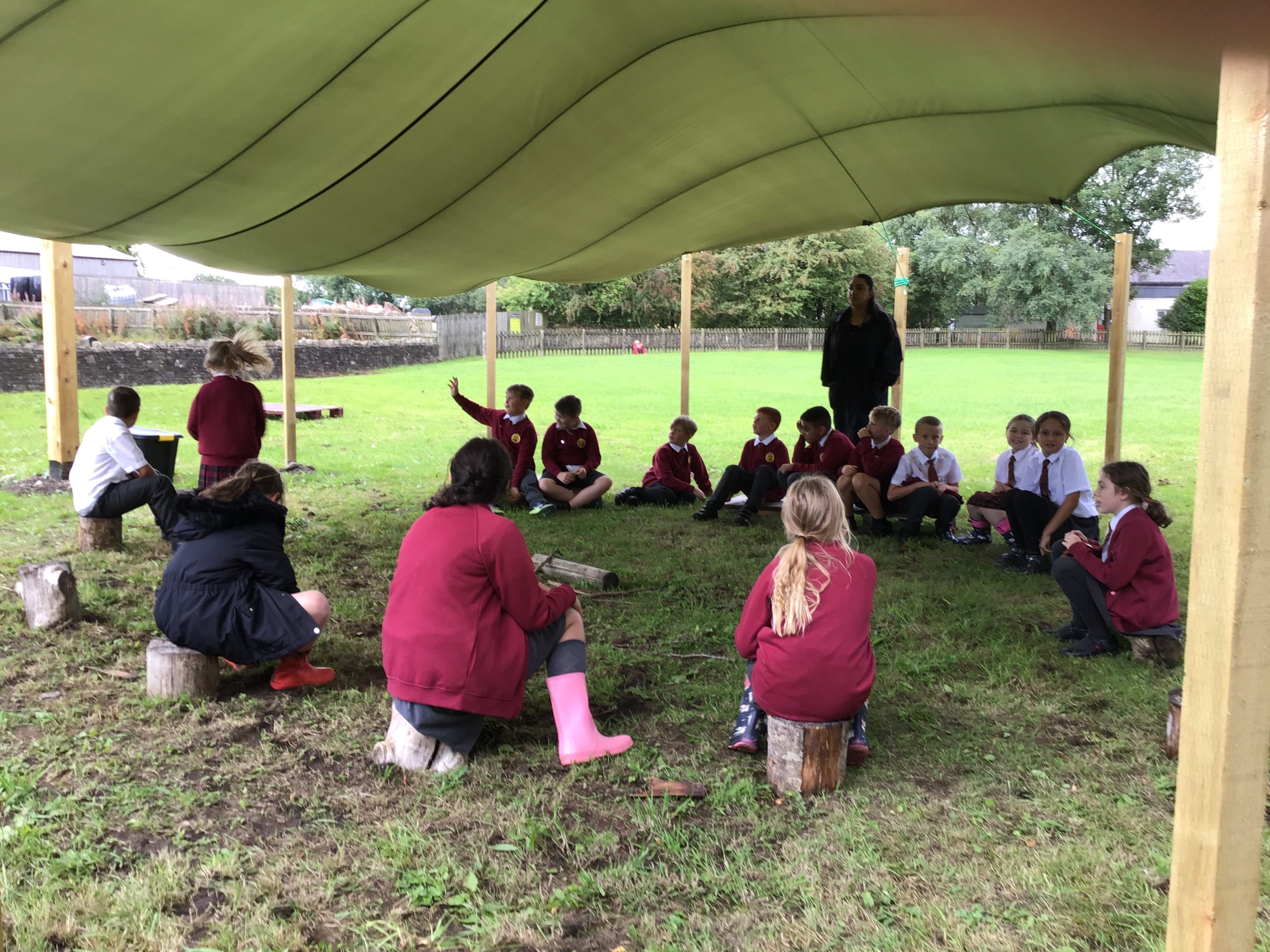
- Principle 1: Forest School is a long-term process of frequent and regular sessions in a woodland or natural environment, rather than a one-off visit. Planning, adaptation, observations and reviewing are integral elements of Forest School.
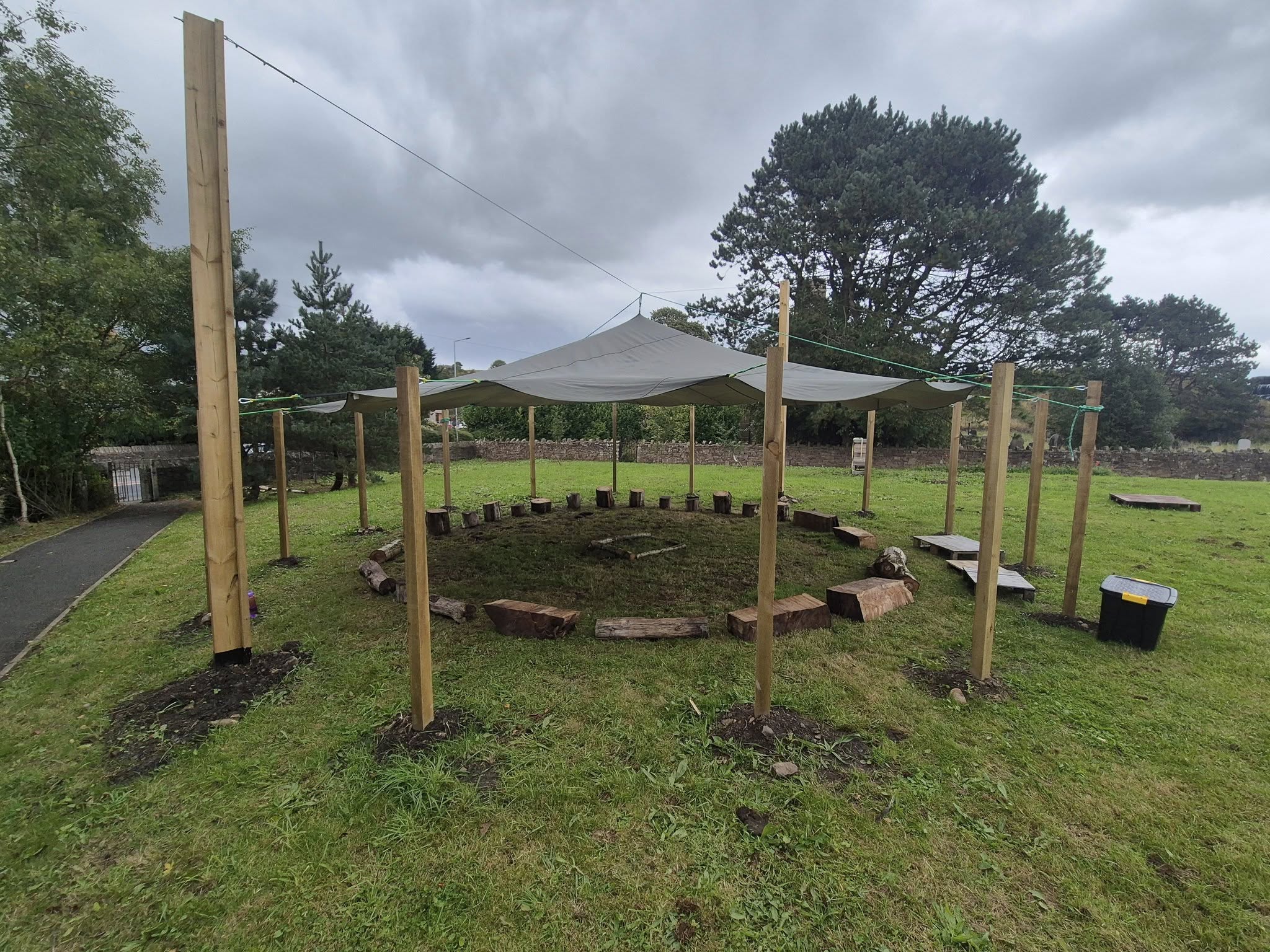
- Principle 2: Forest School takes place in a woodland or natural wooded environment to support the development of a relationship between the learner and the natural world.
- Principle 3: Forest School aims to promote the holistic development of all those involved, fostering resilient, confident, independent and creative learners
- Principle 4: Forest School offers learners the opportunity to take supported risks appropriate to the environment and to themselves.
- Principle 5. Forest School is run by qualified Forest School practitioners who continuously maintain and develop their professional practice.
- Principle 6. Forest School uses a range of learner-centred processes to create a community for development and learning
In our Forest School, we use SPICES to adopt a holistic approach to our learning:
- Social
- Physical
- Intellectual
- Communication
- Emotional
- Spiritual
How will you keep my child as safe as possible at Forest School?
- Increased Staff to Child ratios
- Forest School trained staff
- Secure site
- Children learn rules
- Children involved in risk assessment
- Safe practice for tool use
- All activities have a risk benefit assessment
- Staff are first aid trained
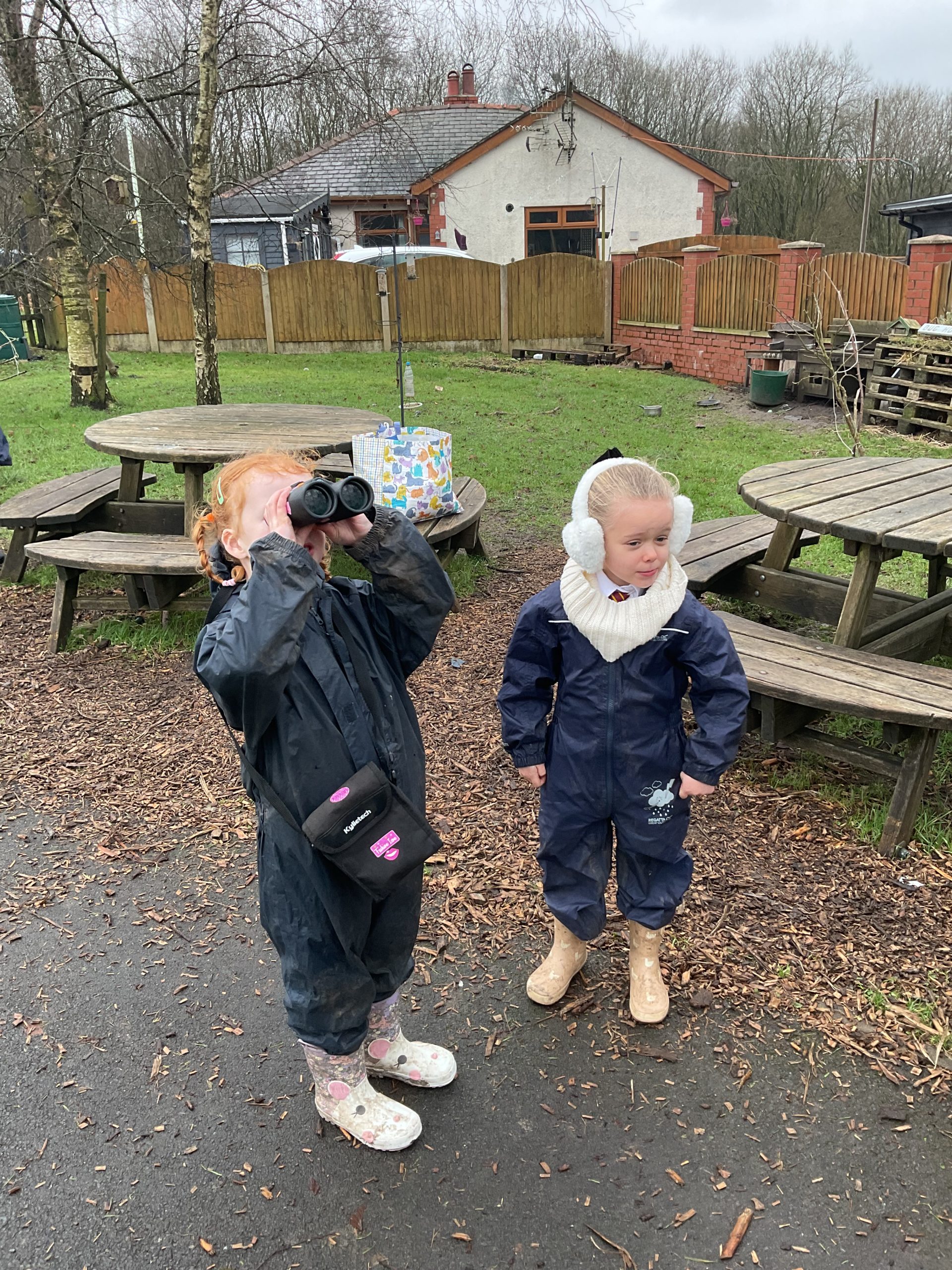
What does my child need to wear?
Winter
- Woolly hat & gloves
- Waterproof coat
- Wellies & warm socks
Summer
- Sun hat
- Sunscreen
- Change of Shoes/Wellies, if wet
If it’s cold or raining, will Forest School still take place?
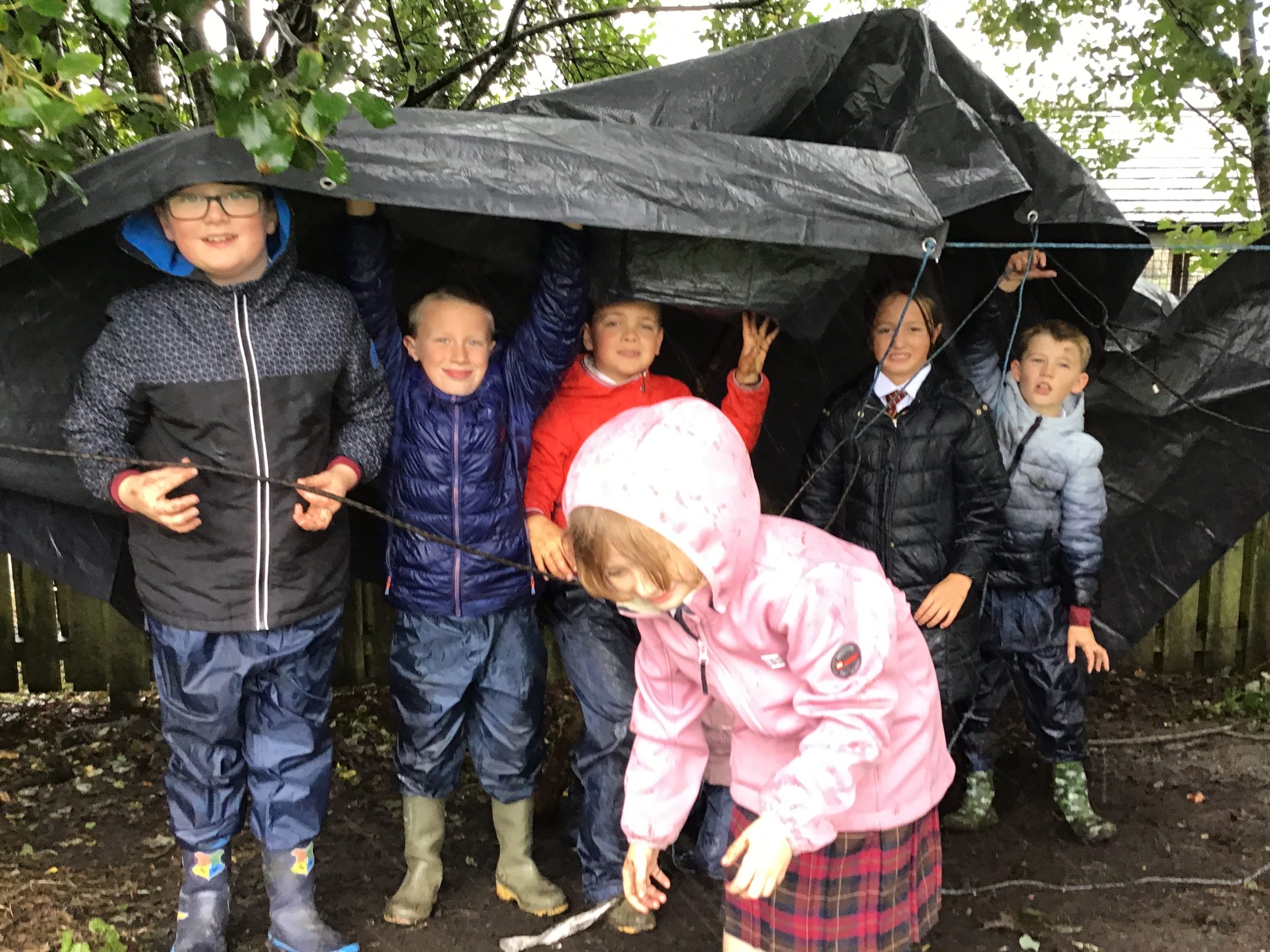
Forest School takes part in all seasons and conditions, except for extreme weather.